
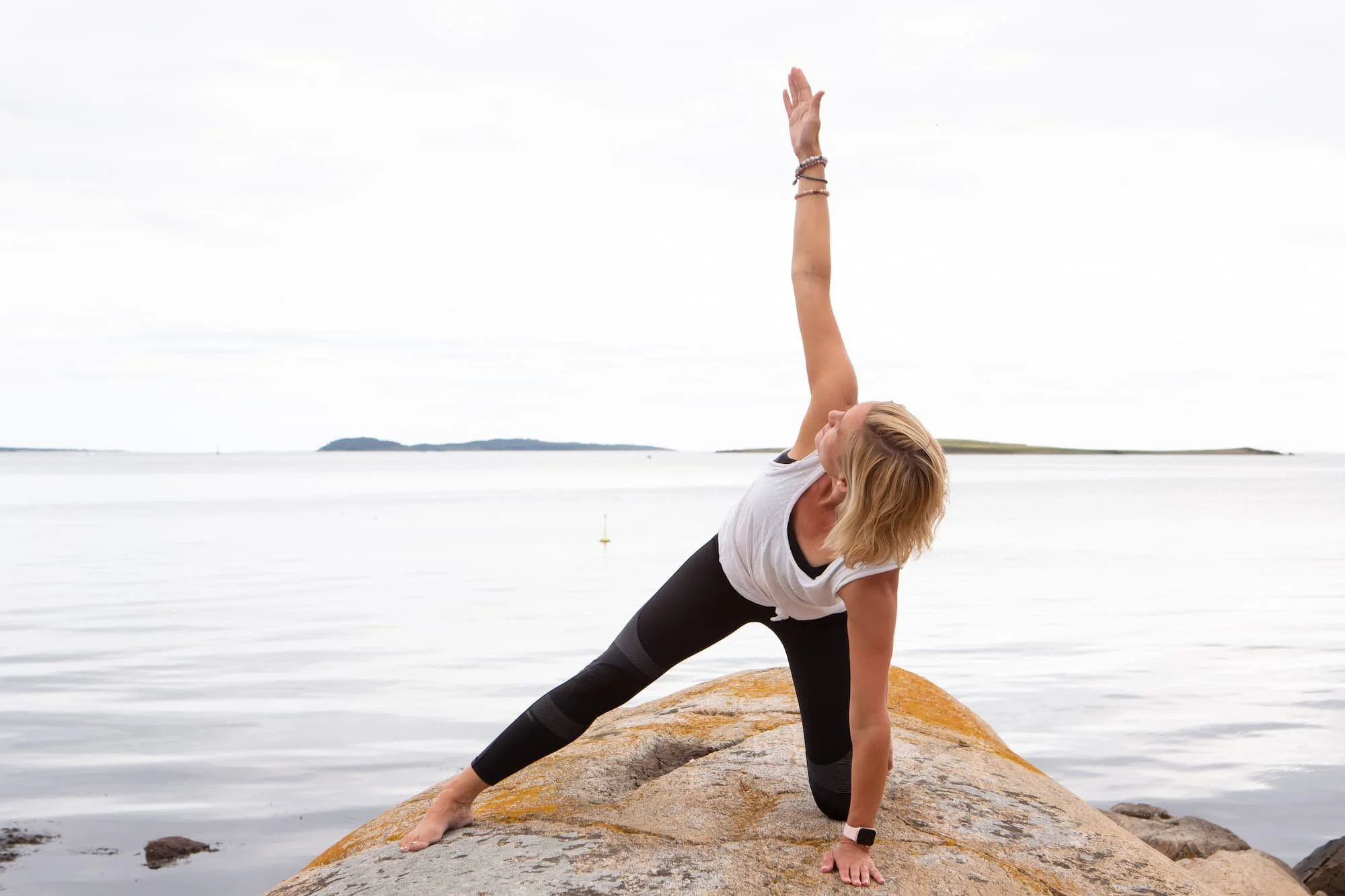
So summer sessions ask more of you, and your body is ready to give it. This is where we channel that surplus of energy and motivation into focused, challenging work.
There's a certain kind of January morning when nothing in your body wants to move. It's dark before you've had coffee, your hips feel like they've set overnight, and the idea of a fast, sweaty session sounds less like energy and more like injury. Come July, the same body is a different animal — loose by mid-morning, restless with energy, happy to flow and push.
That's not a lack of discipline. It's biology. Your body keeps a calendar, and the most effective training moves with it rather than against it. That's why our programme changes with the seasons — to reflect the body's natural rhythms, support the way your life actually shifts across the year, and keep every session effective, safe and genuinely engaging.
Here's how a year of training feels when it's built this way.
Spring: preparing the body for a busier life
As the days lengthen, life gets more active — gardens need turning over, the first outdoor sports return, routines open up. Spring is when we build before the demand arrives. Sessions emphasise mobility, resilience and controlled loading, so that when you spend a Saturday bent over a flower bed or back on the pitch, your body is prepared rather than surprised.
Seasonal hobbies place very specific demands on the body — gardening asks different things of you than skiing does — and a little targeted preparation now prevents a lot of pain and dysfunction later.
Summer: flow, intensity and range
Warmth changes what your body is capable of. Higher energy, better circulation and more pliable connective tissue mean summer is the season for greater intensity, conditioning and flow-based movement. Your fascia — the web of connective tissue that helps you move smoothly — responds to heat, hydration and activity by becoming more supple, which supports a wider range of motion and quicker, more dynamic transitions between exercises.
So summer sessions ask more of you, and your body is ready to give it. This is where we channel that surplus of energy and motivation into focused, challenging work.
Autumn: consolidating and protecting
As activity peaks and then begins to wind down, the emphasis shifts towards recovery and injury prevention. After an intensive stretch — a summer of sport, a heavy season at work — the body needs sessions that restore rather than deplete. Autumn is about protecting the progress you've made and easing the transition into the colder, stiffer months ahead.
Winter: warmth, control and restoration
Cold weather makes muscles stiffer and tissues less forgiving, so winter sessions begin with longer, gentler warm-ups and unhurried mobilisation to prepare the body properly. We lean into joint lubrication, slow controlled movement and gradual loading — the kind of work that keeps you strong and mobile while keeping injury risk low.
Winter also tends to be a lower-energy, lower-mood season for many people, and training respects that too. We weave in grounding, breath-focused and restorative sessions that calm the nervous system, ease anxiety and support better sleep — so movement becomes something that steadies you through the dark months rather than another demand on a depleted reserve.
Why change the programme at all?
Beyond matching the weather, varying training across the year does something your body needs regardless of season: it prevents plateaus and overuse injuries. By periodising the work — shifting the balance of strength, mobility, stability and flow, and adjusting load and volume through the year — we keep you progressing over the long term instead of grinding the same movements until they stop giving results or start causing harm.
It also keeps training enjoyable, and enjoyment is what keeps people showing up. When a session feels timely and relevant to the life you're actually living that month, you're far more likely to stick with it — and consistency, in the end, is what delivers results.
There are practical reasons, too. Daylight hours, class timetables, equipment and even what's comfortable to wear all shift across the year. Adapting the programme lets us keep training accessible, safe and comfortable whatever the season throws at us.
Training that meets you where you are
Change the programme with the seasons and training stops being something you impose on your body and becomes something that works with it — safer progress, better recovery, real relevance to the way you live, and the kind of engagement that lasts. That's the heart of the Pilates Guro approach: strengthening, mobilising and energising the body while focusing the mind, all year round.
The 7am Mind Body Reset
Wake up, reset, begin.
Start the day the way your body wants to. The 7am Mind Body Reset is a short, focused early-morning class from Pilates Guro, built to strengthen and mobilise the body and clear the mind before the day begins — and, like everything we do, it moves with the seasons, so you're always training in tune with your body.
🕖 Live 30-min class — 7:00 AM Mon/Wed/Fri.
💷 50% OFF your first month